
Moving Into an Older Somerset County Home: Steep Steps, Narrow Stairs, Tight Streets
The older homes around Somerset County have real character: deep porches, plaster walls, and staircases that were built before anybody owned a sectional sofa. They are also a genuine puzzle on move day.
Bound Brook walk-ups, Somerville’s older streets, and Manville’s tight blocks each come with their own quirks, and our Sopko Moving and Storage crew has been solving them since 1985.
Here is what to plan for when your new place has more history than elbow room.
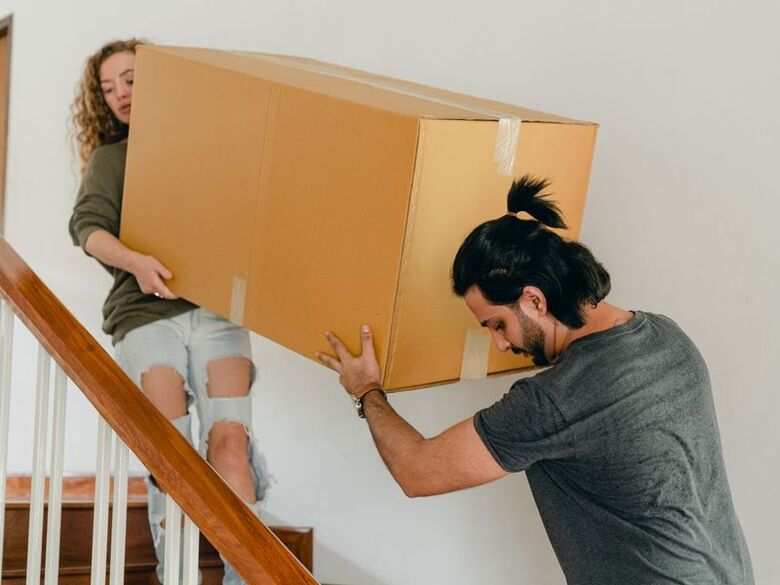
What makes an older home tricky
Newer construction is built around moving big things in and out. Older homes were not, and that shows up in a few predictable spots. Knowing them in advance is half the battle.
- Steep, narrow stairs. A tight winder staircase with a low ceiling turns a queen box spring into a geometry problem.
- Snug doorways and turns. Period door frames and tight landings leave little clearance for a wide dresser or a deep couch.
- Delicate surfaces. Plaster walls, old trim, and wood floors mark and gouge far more easily than new drywall.
- Street parking only. Many older blocks have no driveway, so the truck parks at the curb and the carry is longer than you think.
How our crew handles narrow stairs and tight turns
A staircase that looks impossible is usually just a matter of technique and the right hands. This is the order we work through when a piece and a stairwell disagree.
- Measure and map. We size the piece against the door, the stairwell, and every turn before we lift, so the path is set before the weight is.
- Hoist or pivot. A standing pivot up a winder, a controlled tilt through a doorway, the right move depends on the geometry, and we know which is which.
- Break it down. Legs off the table, doors off the armoire, feet off the sofa; less bulk means fewer scrapes and an easier turn.
- Protect the path. Rail and corner guards go on, runners go down, and door jambs get padded before anything heavy comes through.
- Last resort, go vertical. When a piece simply will not take the stairs, we hoist it through a window or a balcony rather than force it and gouge the wall.
Parking and the long carry on a tight street
On the older blocks in Manville, Bound Brook, and Somerville, where you can put the truck shapes the whole day. We scout it ahead of time so move morning is not a scramble for a spot.
| Street situation | How we plan for it |
|---|---|
| No driveway, curb only | Reserve the closest legal curb space and plan the shortest safe carry. |
| Narrow one-way block | Position the truck so it never blocks traffic, and shuttle with dollies if needed. |
| Permit or meter zone | Sort out any parking permit with the town ahead of move day so there is no ticket and no shuffle. |
| Steep or uneven walk | Lay ramps and runners, and add a crew member to keep the long carry safe. |
| Shared porch or stoop | Pad the rails, mind the neighbor’s half, and keep the lane clear. |

Protecting plaster, trim, and old floors
The charm of an older home lives in surfaces that do not forgive a careless bump. We treat the building itself as something to protect, right alongside your furniture.
- Floors first. Runners over every walking lane on the old hardwood, plus felt and pads on anything that gets set down.
- Guard the rails and jambs. Banisters, newel posts, and door frames get padded before the heavy pieces start moving.
- Mind the plaster. We keep corners off the walls and carry, not drag, so a tight turn does not crack a hundred-year-old finish.
- Wrap before the door. Everything gets padded inside the room, so nothing rubs a wall or a frame on the way out.
COIs for buildings that require them
Some older converted buildings and managed properties around the area ask for a Certificate of Insurance before a mover can set foot in the place. It is a routine request and we handle it as a matter of course.
- Ask the building early. Get the COI requirements from the manager or board as soon as your date is set.
- Send us the details. Pass us the exact wording and limits they want listed, and who to name as the certificate holder.
- We issue it fast. Our insurer turns most COIs around quickly, so the paperwork is filed before move day, not scrambled at the door.
- Confirm the move window. Many buildings limit moving to set hours, so we lock the elevator or loading time in once the COI clears.
The older homes here are my favorite kind of move, because getting a big piece up an impossible-looking staircase without a single mark on the plaster is exactly the work my crew is proud of. We treat your new place, and your old one, like the keepsakes they are.
FAQ
What if my couch will not fit up the stairs?
We measure first, so we usually know before we lift. If it truly will not make the staircase, we break down what we can, try the door, and as a last resort hoist it through a window rather than force it and damage anything.
How do you protect old plaster walls and wood floors?
Runners over every floor lane, padding on rails, corners, and door jambs, and a carry-don’t-drag rule on every piece. The aim is that the home looks exactly the same after the last box as it did before the first.
There is no driveway on my street. Where does the truck go?
We scout the block ahead of time, reserve the closest legal curb space, sort out any town permit, and plan the shortest safe carry. The long carry is built into your flat quote, not added on later.
Can you provide a Certificate of Insurance for my building?
Yes. Send us the building’s exact requirements and the certificate holder, and we will have the COI issued and on file before move day.
Moving Into an Older Somerset County Home?
Tell us about the stairs, the street, and the doorways, and we will plan a move that gets your furniture in without a mark on the plaster. Flat rate, in writing, with our own crew and trucks.